This post may contain affiliate links. Please read our disclosure policy.
Gooey Soft Cinnamon Rolls are some of my favorite desserts to make. There are few baked goods that feel as comforting as homemade cinnamon rolls. The moment warm cinnamon, butter, and sugar begin to swirl together in the oven, the entire kitchen fills with an aroma that promises comfort, indulgence, and a little bit of joy.
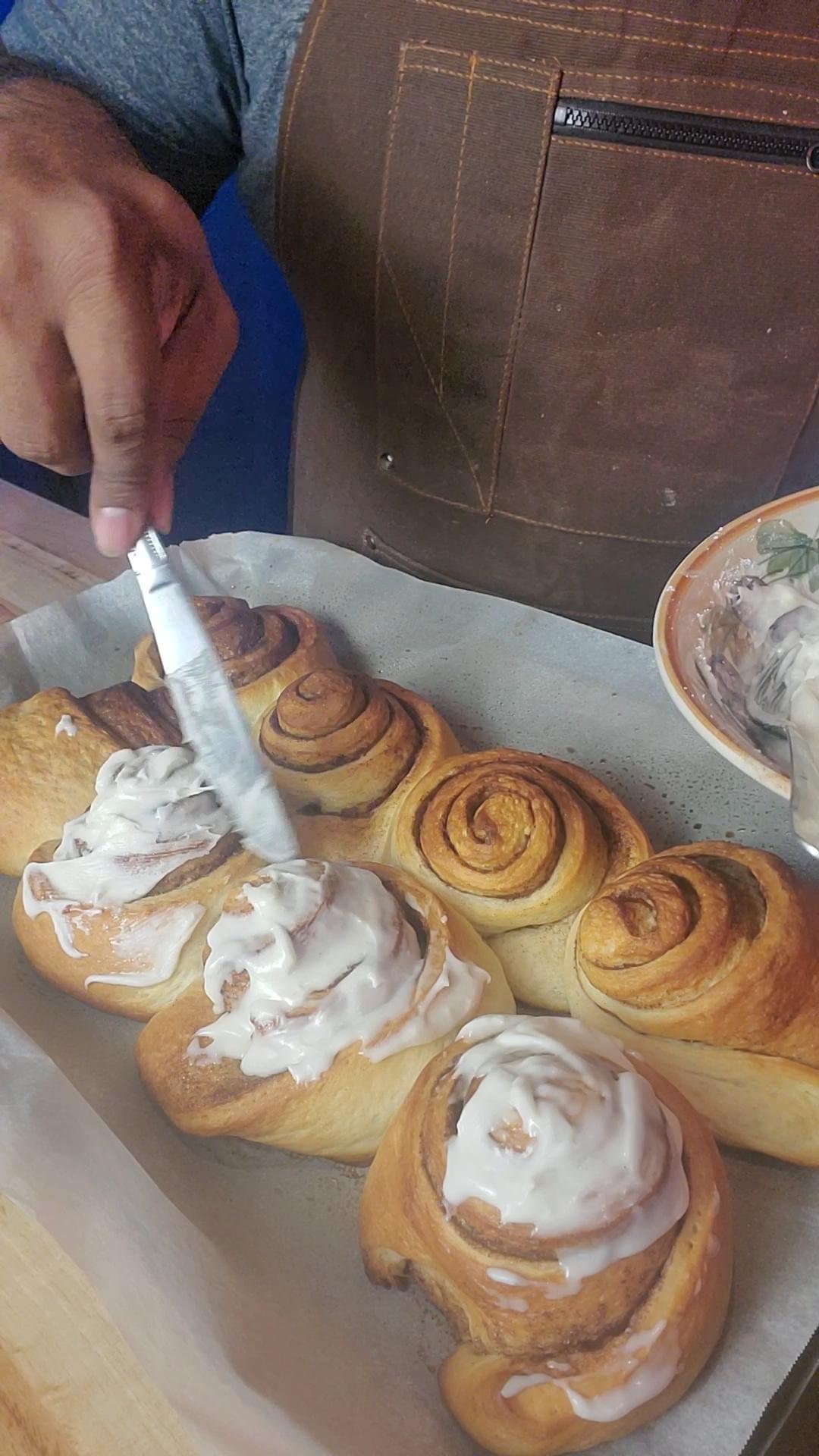
At the heart of every great soft cinnamon roll is an enriched yeast dough, well aside from the less adequate ones baked from a can. Good cinnamon rolls start with a good dough. My yeast dough recipe uses techniques to maintain moisture and maximize gluten structure. This yields cinnamon rolls that are tender even when they are cold.
Ready to try this recipe? Shop my Baker’s Best Friend List to get all the item you will need.
Table of Contents
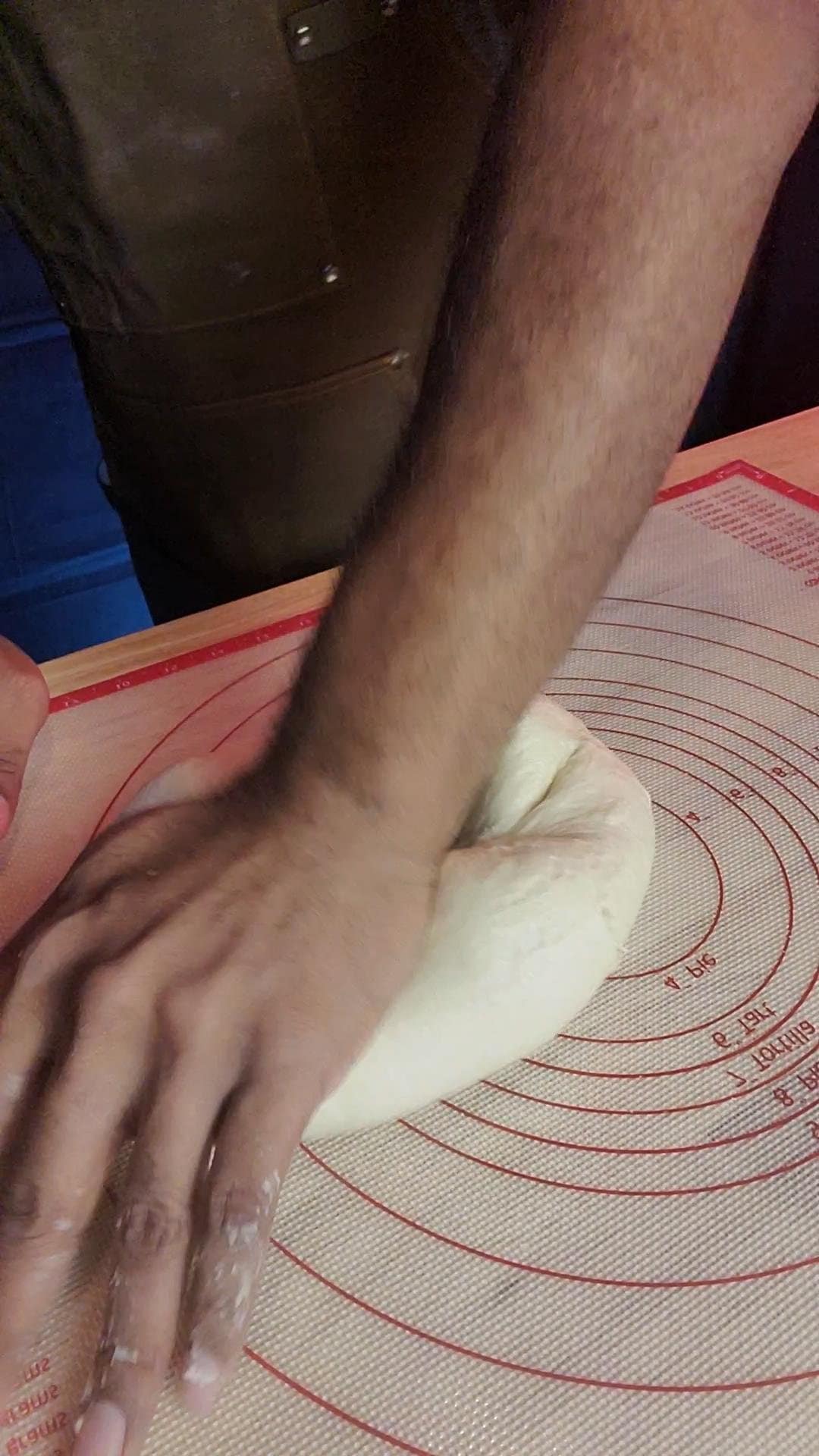
Kneading the dough properly develops gluten. This gives the rolls their structure while still keeping them light and pillowy. This recipe requires a lot of kneading, so I do suggest using a stand mixer with a paddle or hook attachment to help with the work. That being said, making this dough by hand is absolutely doable. Consider cinnamon roll day, arm day also because you are going to get a great arm workout.
This dough can be very sticky, but instead of adding additional all-purpose flour, I focused on developing the gluten with the amount of flour used. This also helps maintain more moisture in the dough. Once enough gluten has developed, the dough will no longer be sticky.
Why Cinnamon Rolls Are Always Worth the Effort
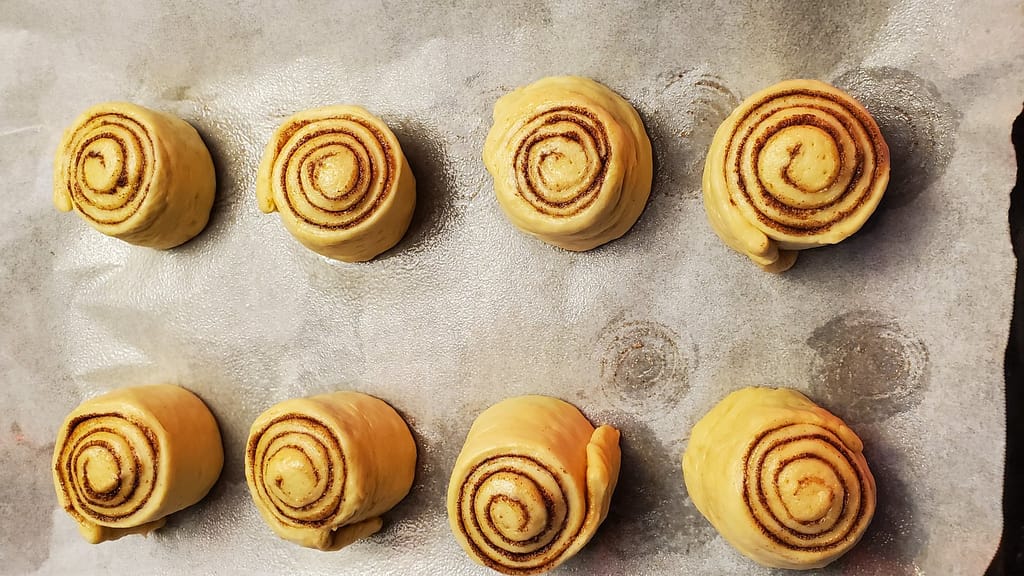
While cinnamon rolls do take time—from proofing the dough to baking and icing—the process is incredibly rewarding. Anything worth having is worth the time and effort. If anything, they invite you to slow down, enjoy the rhythm of baking, and savor the results. The recipe card below has all the information you will need to make the cinnamon roll recipe.
My Always Soft Cinnamon rolls are perfect for breakfasts, holiday mornings, brunch spreads, or anytime you want to treat yourself and those you love. My mother loves my cinnamon rolls and so did my father when he was still living. It always reminds me of home and my parents when I make these cinnamon rolls.
When they are fresh from the oven, homemade cinnamon rolls are soft, sweet, and deeply comforting. One bite, and it’s easy to understand why they remain a beloved classic across kitchens and generations. Because my cinnamon roll recipe yields rolls that maintain their softness when cold, you will want to save this one.
Icing for Cinnamon Rolls
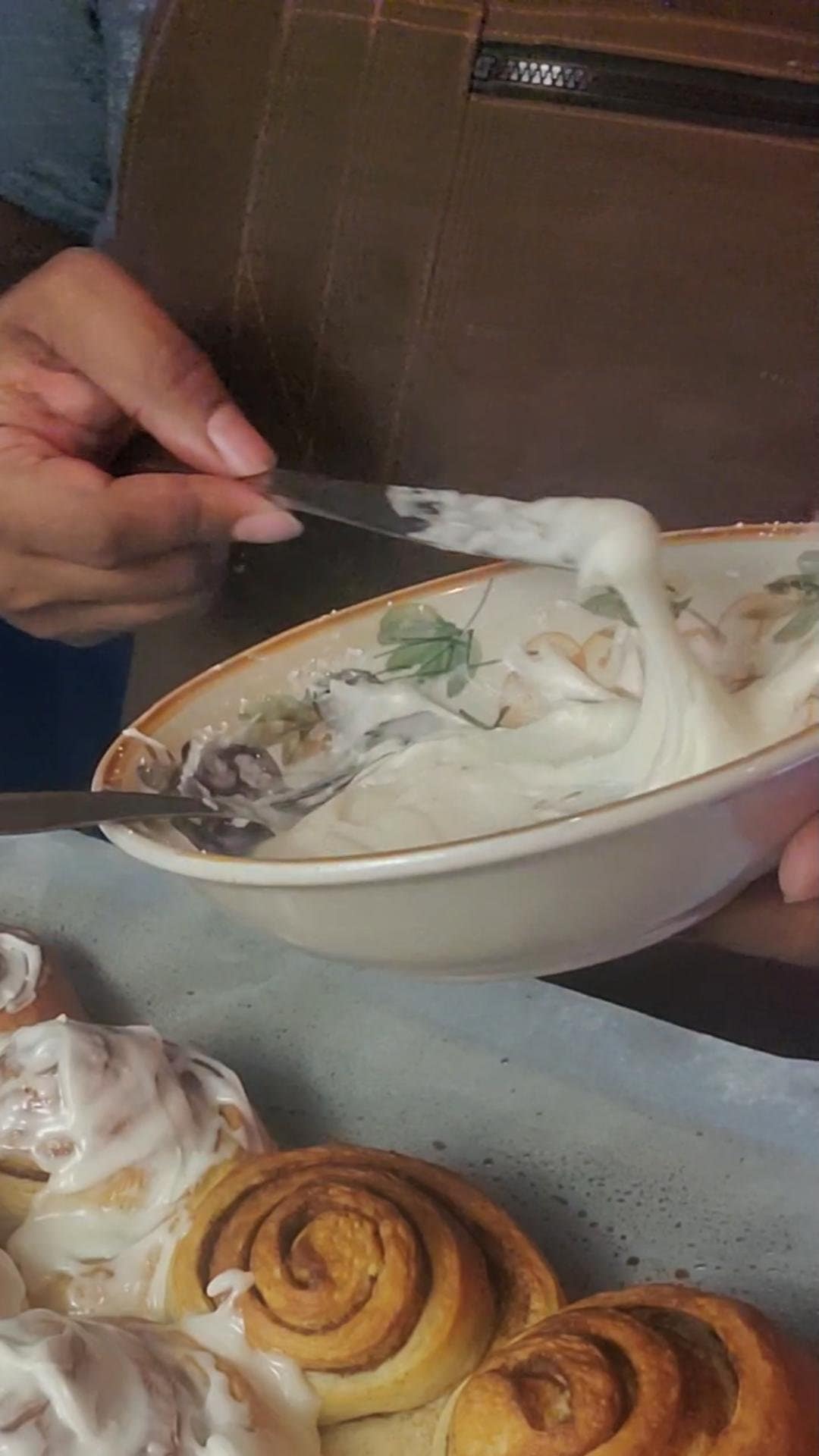
Icing is an important part of any cinnamon roll recipe, and mine is no exception. My absolute favorite icing for cinnamon rolls is cream cheese. Cream Cheese, as much as I love it, is another item that you have to have on hand which goes against what I wanted for these cinnamon rolls.
I wanted people to be able to pull things that they are more likely to already have in their pantry and make something great. This is why I chose a much easier and simpler powdered sugar icing. Literally all you need is powdered sugar, butter, and water or milk.
Another reason I chose the simple powdered sugar icing is I wanted the texture of the dough to be the focus. I am convinced that even pigs feet would taste good slathered in cream cheese frosting. The basic powdered sugar icing showcases these cinnamon rolls soft pillowy texture.
Feel free to check out the recipe card below for this basic icing recipe.
Proofing
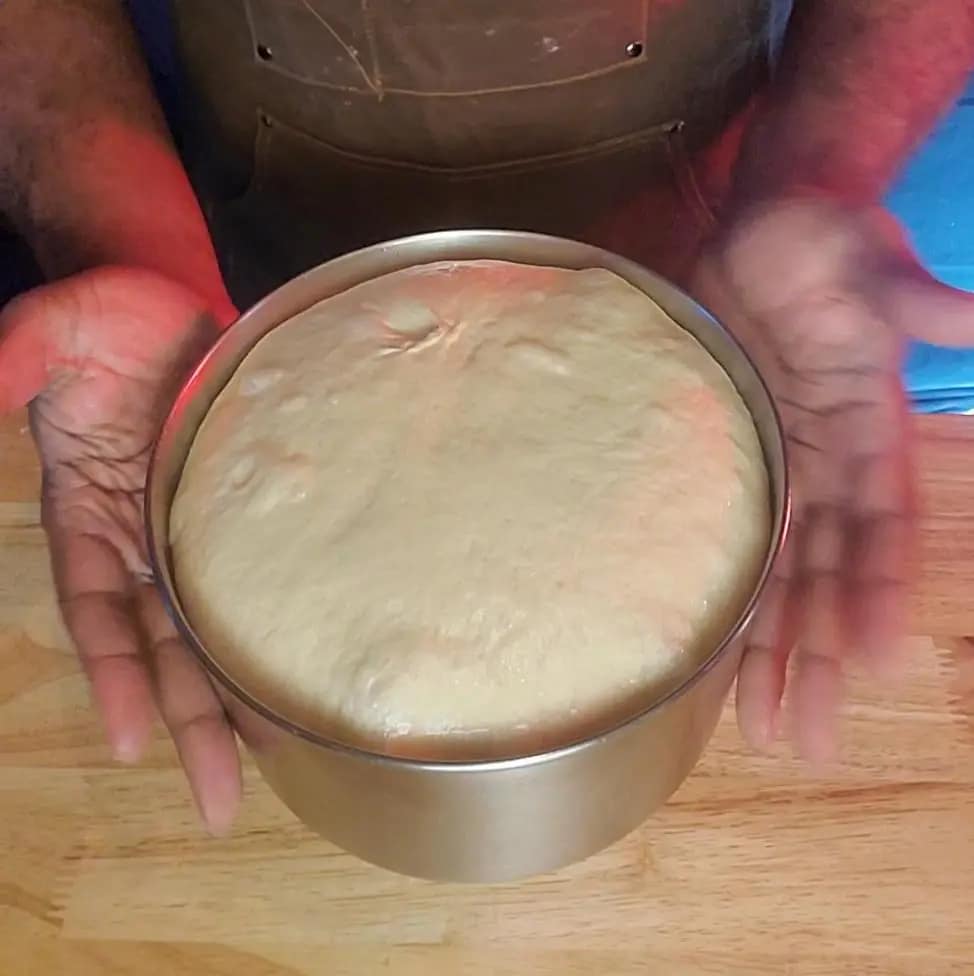
Proofing is necessary for both yeast doughs and sourdough. This allows the packet yeast or natural yeast in sourdough starter to grow. The yeast eats the sugars in the dough. As they grow and eat, they produced carbon dioxide gas which cause the dough to rise. They also metabolize some of the gluten which is why you have to monitor your dough to avoid overproofing. This is important for proper texture.
Well proofed dough will have doubled in size, will have a slight jiggle when shaken, does not stick to you finger and will come away from bowl easily. You can use the poke test to test for proofing also. Poke the dough. If it springs back right away, it needs more time proofing. If it springs back slowly and leave slight indention , your dough is proofed and ready to be shaped.
Over-proofed dough will be very sticky, has loss its mass, will look super bubbly, and will look deflated.
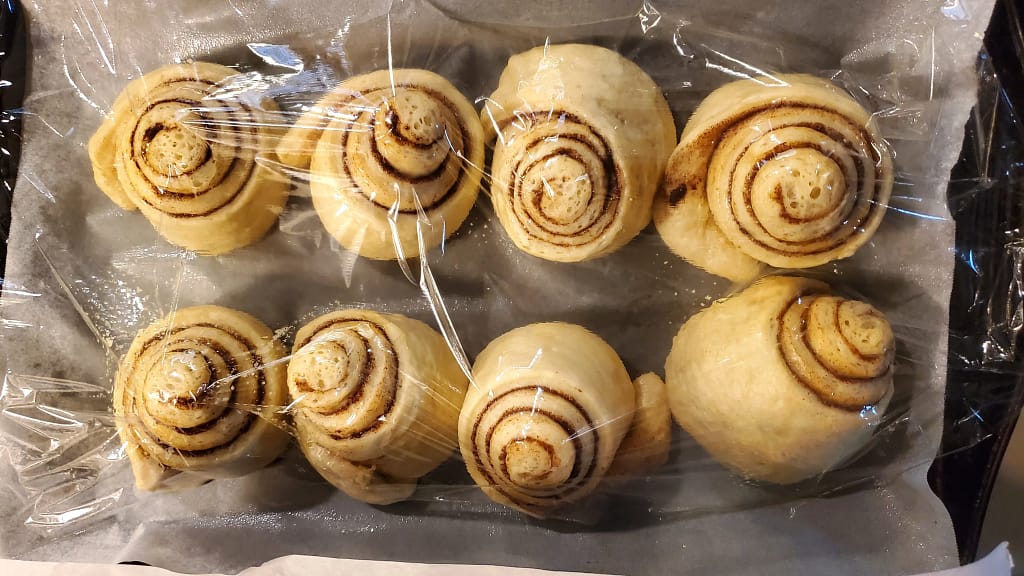
This cinnamon roll recipe has two proofing times. The first is after the dough has been kneaded and is elastic. The second proof is after the cinnamon rolls have been cut and placed in their baking pans.
To proof my cinnamon rolls, I usually turn the oven on for about 30 seconds then turn it off. This allows the oven to be slightly warm. The oven should not be noticeably hot at all. I then put my yeast dough in the warmer oven to proof. I use this method during both of the proofing times.
Baking Tips for Soft and Gooey Rolls
For the softest cinnamon rolls, avoid overbaking—pull them from the oven when they are lightly golden and still soft in the center. Some people prefer to bake them snugly close together. This allows them to bake upward and minimizes crispy edges.
I prefer to bake them on a cookie sheet. This allows them to expand, as I love bigger cinnamon rolls. Both methods are preference. So do the method that fits your preferences.
Spreading icing over the rolls while they’re warm also allows it to melt into every swirl. This creates a rich, decadent finish.
Cutting Cinnamon Rolls
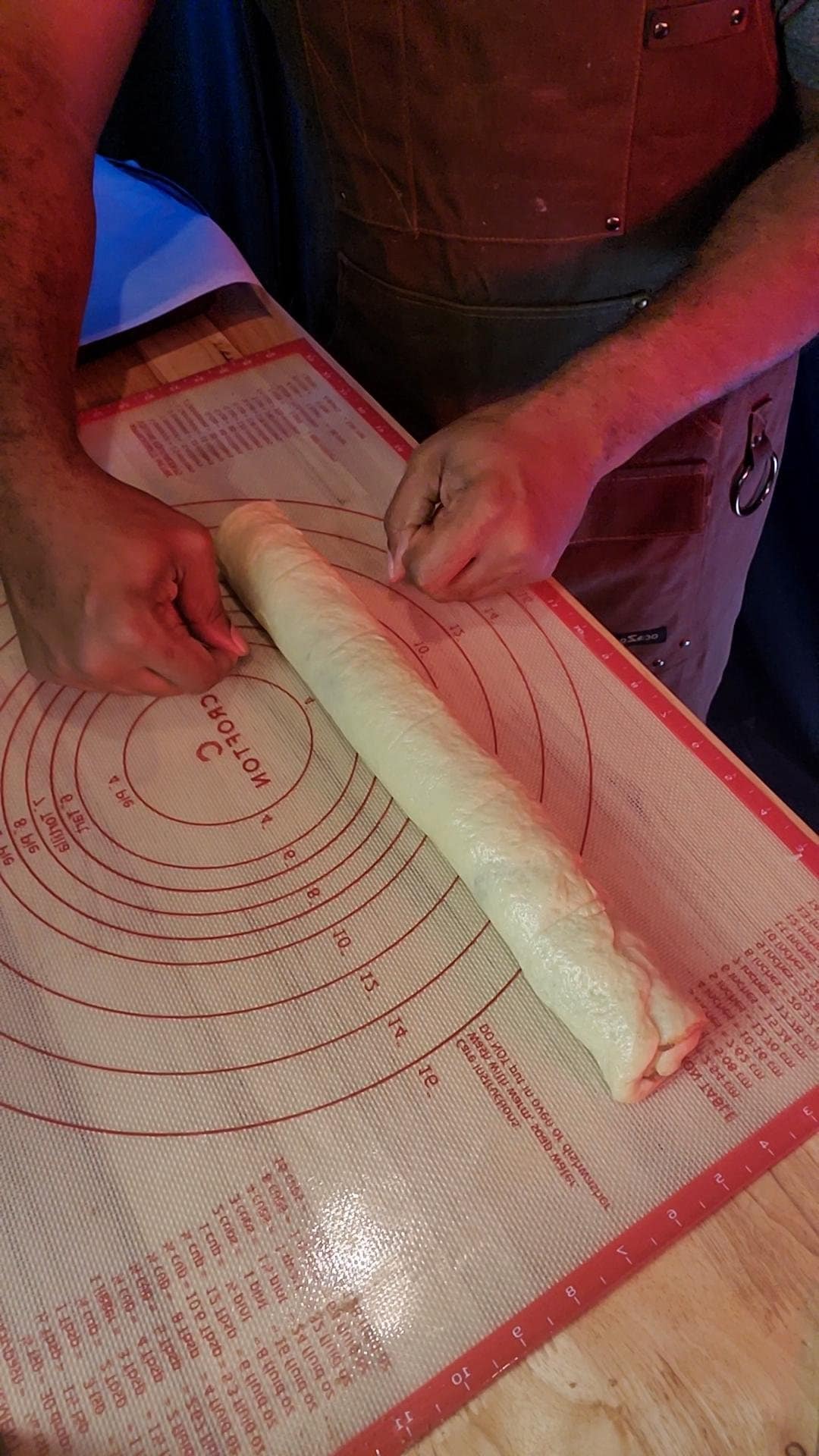
There are two method for cutting cinnamon rolls I usually use.
Basic Method– Use a very sharp knife to cut the cinnamon rolls. This a functional in that it works but it does crush the dough a bit which fuses the dough. When I use this method, I usually have to straighten the rolls of the dough out. This can also make the cut look less professional and more rustic.
Thread Method– With this method, you can take a piece of thread or dental floss and cut the cinnamon rolls. You simply place the string under the dough in the place you want to cut. Hold the ends of the thread in each hand. You them cross the threads and pull the ends of the threads cutting the dough. I prefer his method as it cuts the cinnamon rolls more neatly and cleanly. This also does not fuse together which allow the cut area to expand more.
Latest Videos
Before You Start!! If you make this, please leave a review and rating letting us know how you liked the recipe. This helps our business to do well and continue providing free recipes.

Amazingly Soft Cinnamon Rolls

Video
Equipment
- Hand Mixer or Stand Mixer
Ingredients
Dough
- 5 cups all-purpose flour
- 1 cup sugar
- 2 packets of active dry yeast
- 1 tsp salt
- 1 cup milk
- 6 tbsp butter 3/4 cup
- 4 tbsp neutral oil
- 2 tsp vanilla extract
- 2 large eggs
- ½ cup water
Filling
- ½ cup butter 1 stick
- 2 tbsp cinnamon
- 1 cup brown sugar
- 1 tsp salt
Cinnamon Roll Icing
- 2 cups powdered sugar
- ¼ cup butter half of a stick
- 1 tsp vanilla extract
- Enough milk to get to a thick icing consistency
Instructions
- Preheat over to 375°F.
- In a large bowl, combine flour, sugar, yeast, and salt. Set aside.
- In a medium microwave safe bowl, combine the milk, butter. Microwave until butter is melted. Add the oil and vanilla. Allow mixture to cool until it's warm (110-115F). If it's hot enough to burn you finger, it is too hot.
- Pour wet mixture into dry mixture. Add eggs and water. Mix slowly until soft very sticky dough forms. DO NOT ADD EXTRA FLOUR.
- Turn dough out on to work surface. Knead the dough until dough goes from very sticky to elastic. This should take about 10-15mins. (Goes by easier with a heavy duty stand mixer.)
- You can test if your dough has been kneaded enough using the window-pane test. To do test, take a small piece of dough and stretch it out thinly between your fingers. If you can see light though the dough without it breaking your dough is ready to proof. If the stretched piece of dough breaks, it needs more kneading.
- Put dough in a greased bowl. Cover and let rise in warm place until doubled in size, about an hour.
- Punch dough down. Cut dough in half.
- Roll each half of the dough into rectangles, about 1/4 of an inch thick. Spread each dough with 1/2 stick of butter. Combine brown sugar and cinnamon. Sprinkle over dough.
- Roll the dough up. Pinch the seam closed slightly. Take string and mark the dough until you have 8 pieces per dough. Place the string under the first marking. Cross the string and pull both ends to cut the dough cleanly. Do this to cut each cinnamon roll. You should have 16 rolls.
- Place rolls, spaced out on 2 large parchment lined cookie sheets. Cover, and let rise in warm place until doubled.
- Bake until golden. For icing combine all icing ingredients. Spread with icing while rolls are still warm.
- Enjoy!! 🙂
Notes
Nutrition
More Delicious Recipes
This post may contain affiliate links. Please read our disclosure policy. There’s something deeply comforting about making sourdough bread from scratch. It’s not just bread—it’s a process, a routine, and for many home bakers, like myself, a little daily ritual. From feeding your starter to pulling a golden, crackly loaf from the oven, sourdough baking feels…
This post may contain affiliate links. Please read our disclosure policy. Fluffy Garlic Butter Naan is more than just a side dish—it’s an experience. The moment it hits the table, still warm and glistening with butter, you cannot help but crave it. The smell alone is enough to make everyone reach for a piece. It’s simple,…
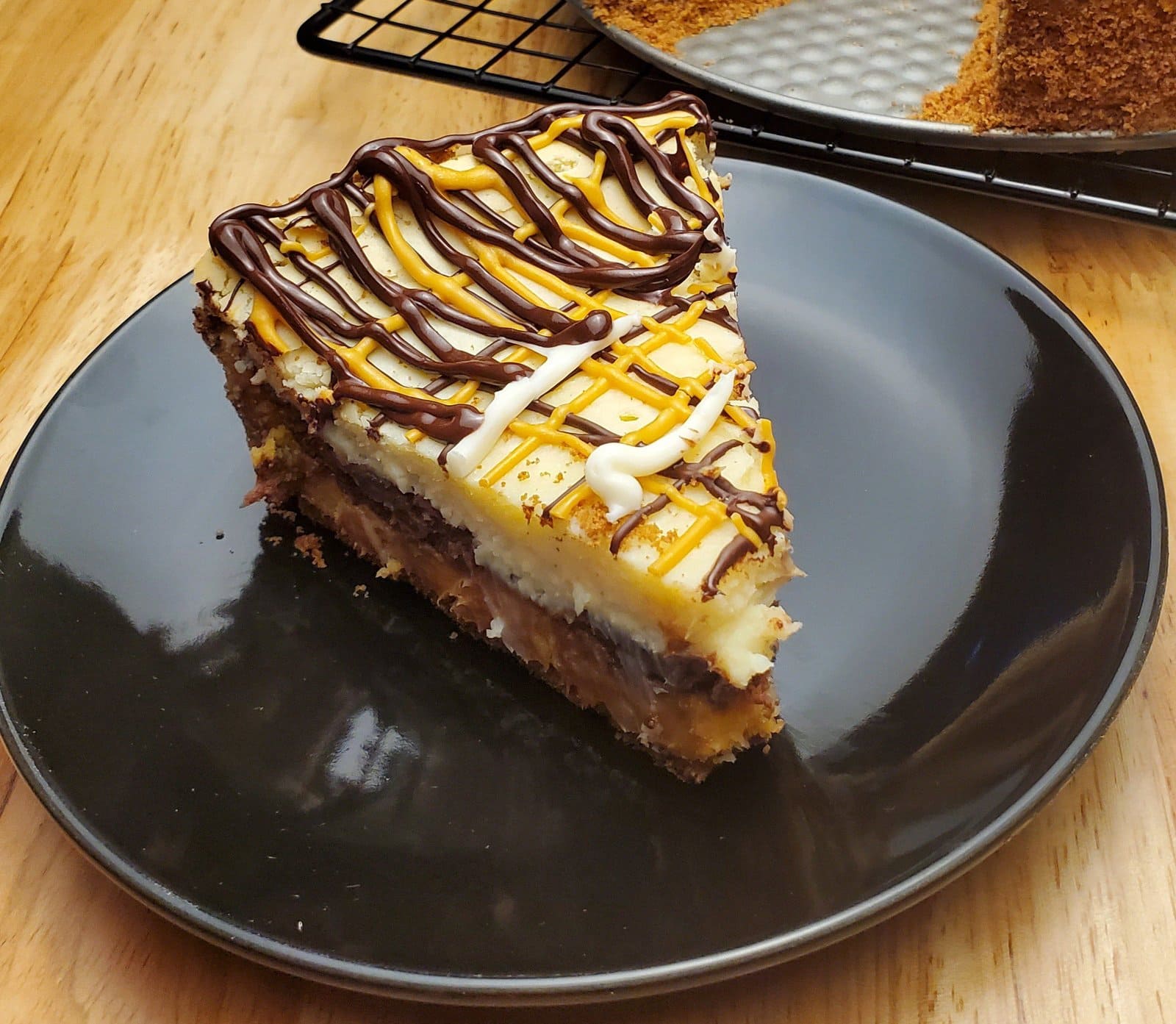
This post may contain affiliate links. Please read our disclosure policy. There are desserts you enjoy, and then there are desserts you remember. Chocolate Butterscotch Cheesecake firmly belongs in the second category. It is rich, velvety, and unapologetically indulgent. This cheesecake is designed for true chocolate lovers—the kind who believe chocolate should be deep, intense, and…
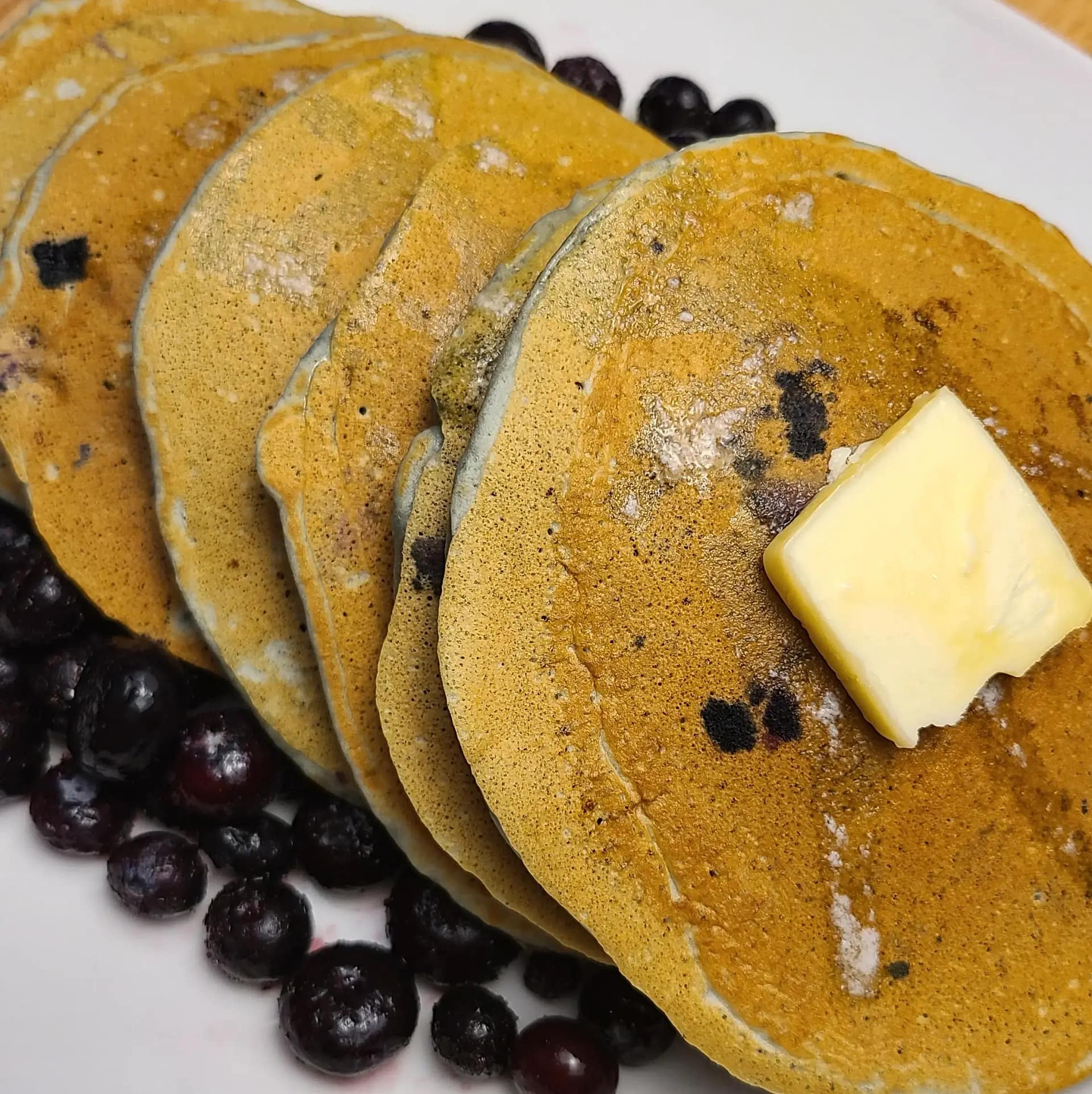
This post may contain affiliate links. Please read our disclosure policy. Creating a functional sourdough starter from scratch is a great accomplishment for any baker. However, the process usually leaves a lot of discard that one has to either make use of or throw away. With today’s economy and issues, the thought of wasting flour in…
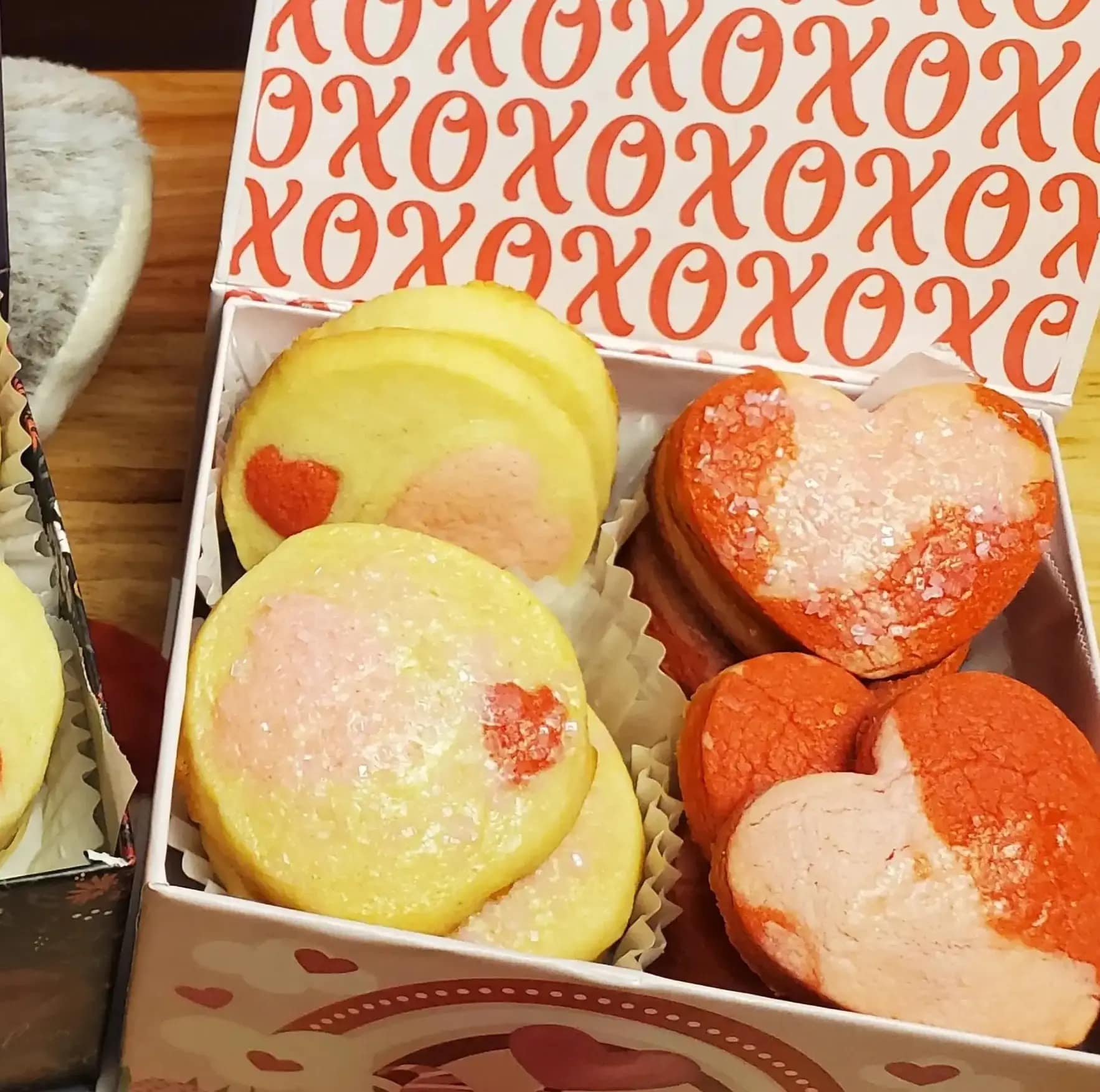
This post may contain affiliate links. Please read our disclosure policy. Icebox cookies are a classic, old-fashioned cookie that get its name from chilling the cookie dough in the refrigerator (or “icebox”) before baking. Once chilled, the dough is sliced into rounds or shapes and baked until lightly golden. The result is a tender, crisp-edged cookie…
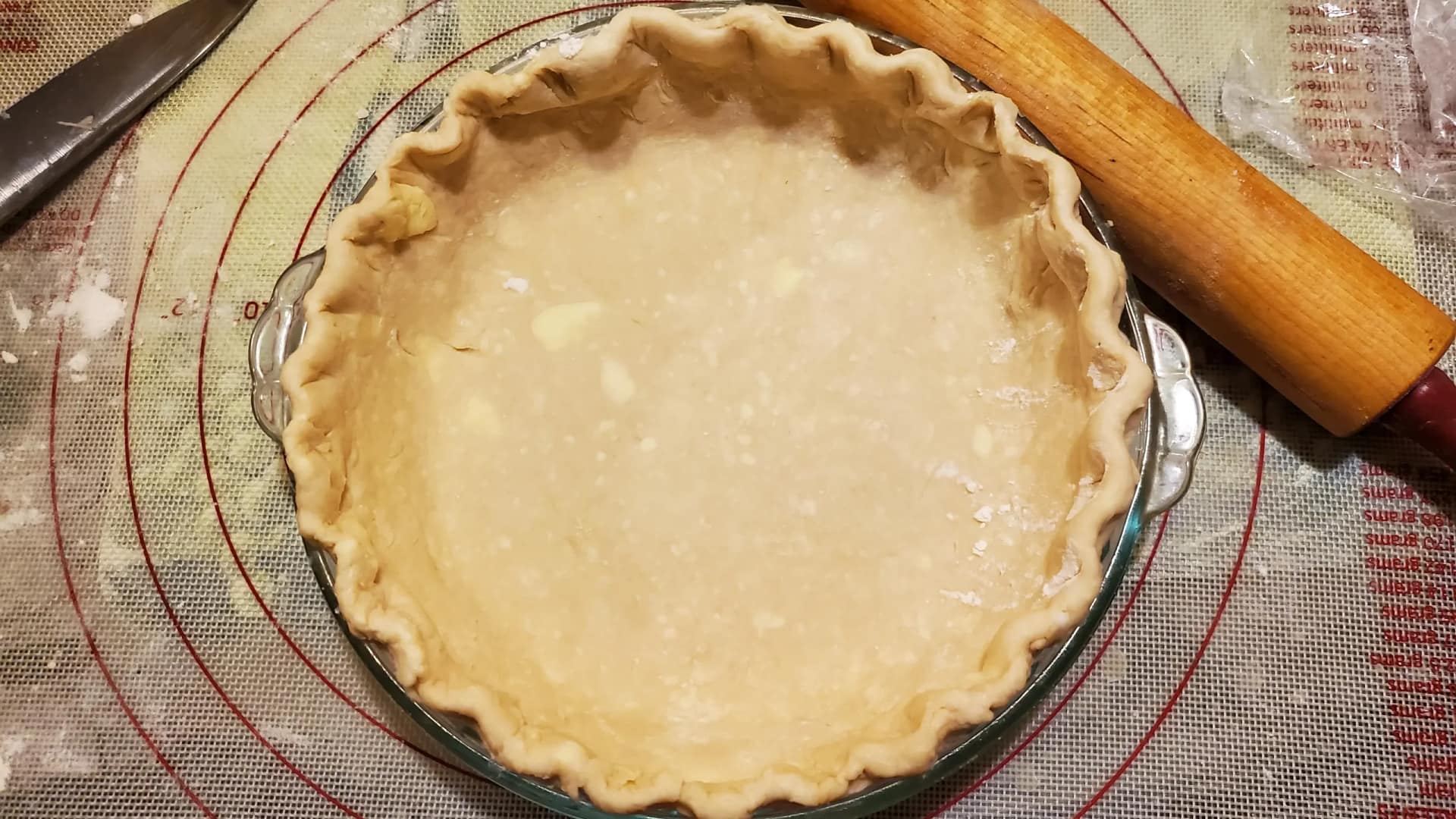
This post may contain affiliate links. Please read our disclosure policy. This is one of the easiest and flakiest pie crust recipes you will find anywhere. A flaky pie crust is truly less about ingredients and more about technique. A truly flaky pie crust is a great achievement for any baker, and is important if you…